


Conkerberry, the little known Gem of Native Timbers
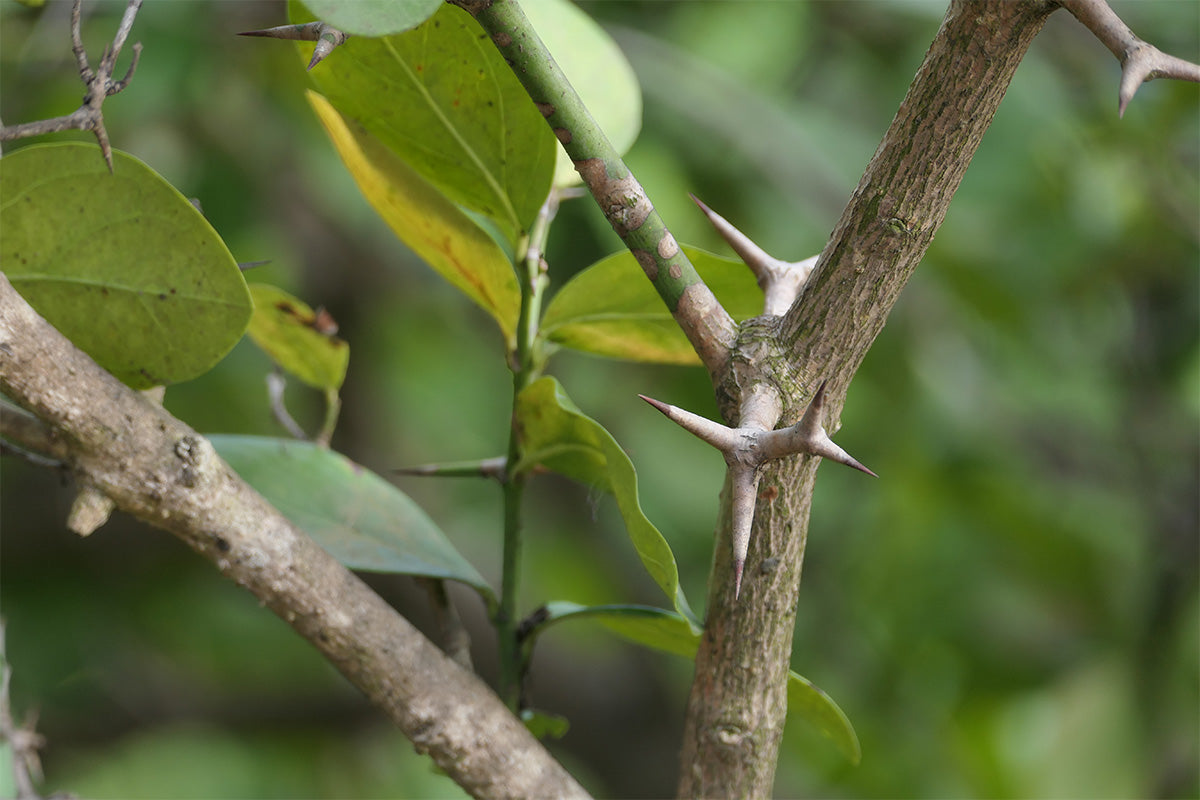
Flickr photo by Dinesh Valke shared under a Creative Commons (BY-SA) license
Conkerberry (Carissa spinarum) is a little-known native timber that comes from a thorny shrub found across Australia’s arid and semi-arid regions. Better known for its small edible fruit, it also produces a dense, fine-grained wood suited to small, detailed work where clean shaping and finish matter most.
What Makes It Different
Conkerberry wood is dense and tight-grained, which allows it to hold detail well in smaller pieces. It is not a timber used for scale, but for precision, where clean edges and a smooth surface are the priority.
The colour can range from pale cream through to warmer orange tones, often with subtle variation across the grain. Once finished, the timber takes on a clean, polished appearance without requiring heavy treatment.
How It Was Used
Conkerberry has long been valued more for its fruit than for its timber. The ripe berries have been used as bush tucker by Indigenous Australians, while the unripe fruit and the plant’s milky sap are toxic and avoided.
The plant is also a food source for wildlife, including birds such as emu and bustard, and is part of a wider ecological system that supports insects and small animals across a range of habitats.
What Changed
Although not traditionally regarded as a timber species, Conkerberry is now used in small-scale woodworking where its density and fine grain can be used effectively.
How It Is Used Now
Conkerberry is best suited to smaller objects where detail and finish are the priority. Its hardness allows it to hold clean edges, while its grain supports a consistent, polished surface.
Browse our range of Conkerberry pieces, including items where fine detail and surface quality are the defining features.
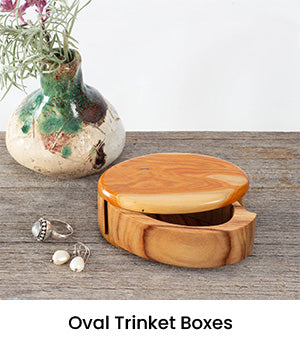
Oval Trinket Boxes use Conkerberry for lids and bases where the fine grain and colour variation can be appreciated on a compact, finished surface.
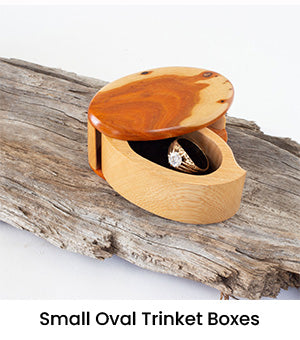
Small Oval Trinket Boxes apply the same material in a more compact form, where precision shaping and finish become even more noticeable.
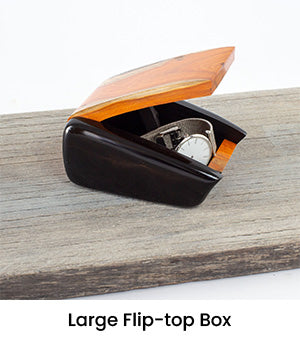
Large Flip-Top Boxes show how the timber can be used across a broader surface while still maintaining a controlled, polished finish.
Conkerberry is not defined by size or scale, but by precision. It is a timber used where detail, finish, and controlled shaping matter more than bulk, which is where its value becomes clear.